

Display Fireworks Facts
A visual guide to professional fireworks science, operations, and show design. Explore shell heights, aerial shell anatomy, weather effects, firing system basics, show timing, and other professional display concepts.
Larger display shells generally break higher and wider, though exact performance varies by shell design, lift, and manufacturer.
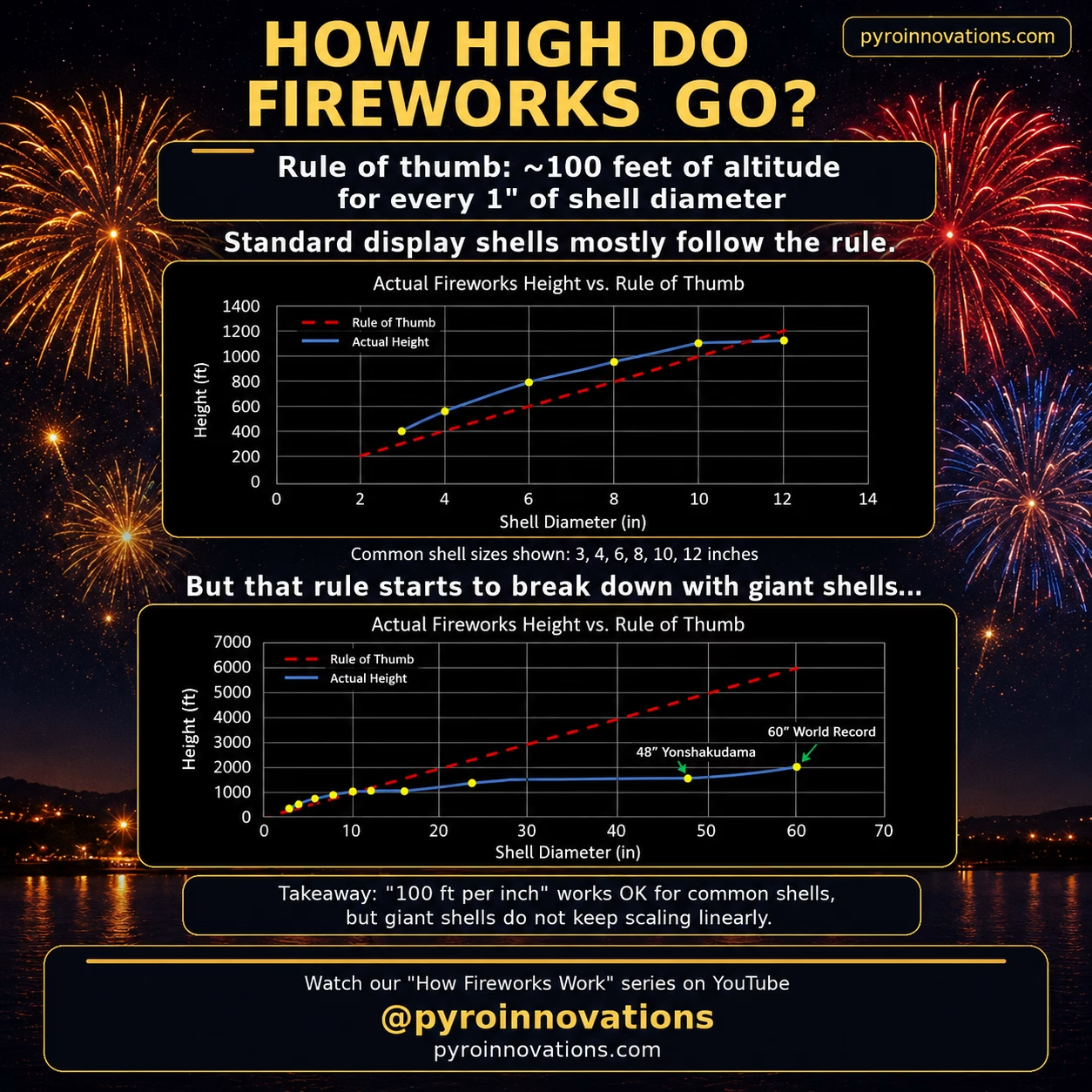
- A common rule of thumb is roughly 100 feet of altitude per inch of shell diameter.
- That rule works better for common display shells than for giant showcase shells.
- Lift, shell design, and manufacturer all affect actual performance.
Aerial display shells are timed effect devices. A lift launches the shell, a timing element delays the break, and the internal stars or effect elements create the visible pattern in the sky.

- The lift launches the shell from the mortar.
- A timing element delays the break until altitude.
- The burst disperses the stars or effect elements into the intended pattern.

Consumer fireworks and professional display fireworks serve very different purposes. The scale, launch methods, firing systems, and site requirements are not the same.

Professional displays often start when the sky is dark enough for contrast and when event logistics make sense for the audience and venue.
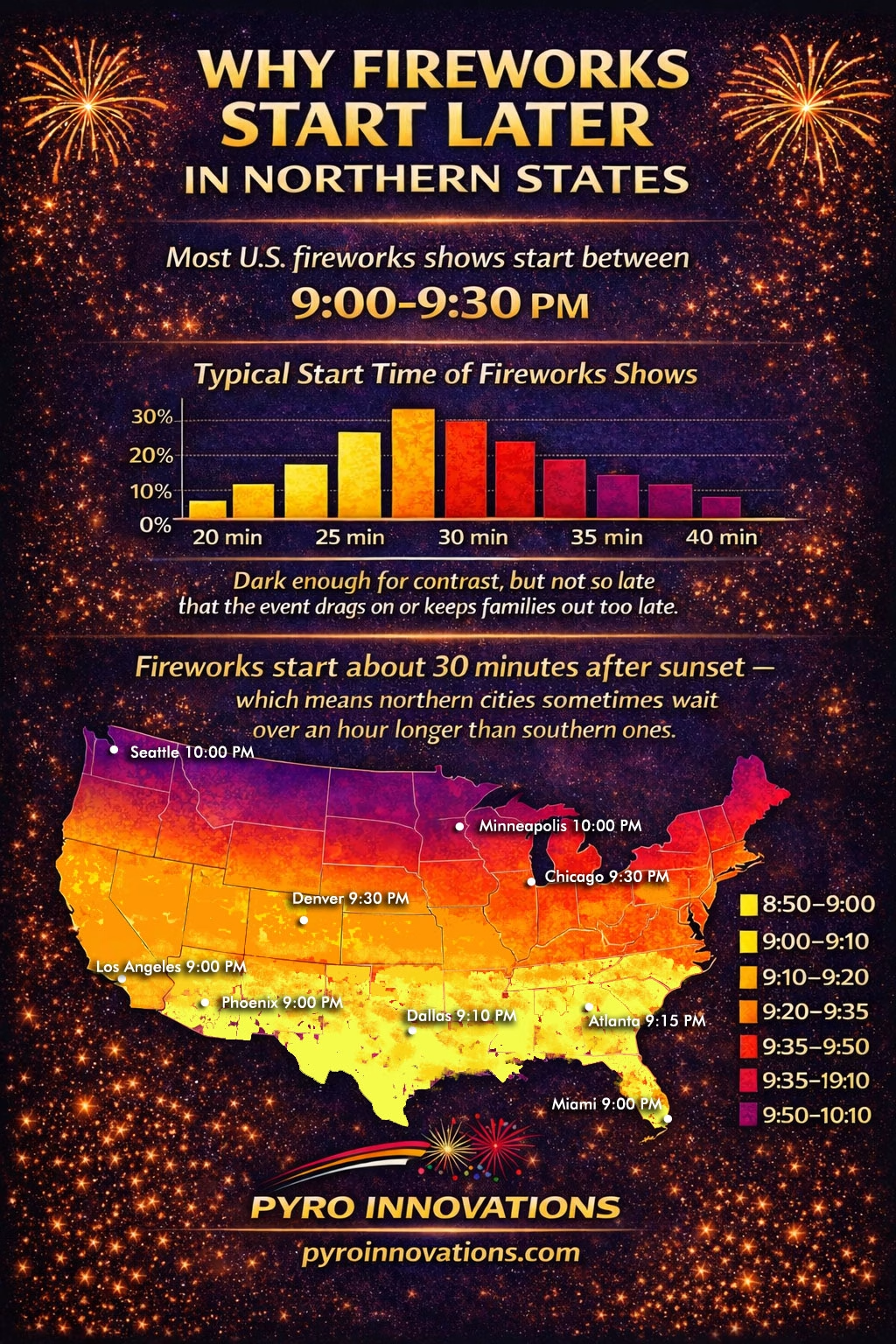
- Twilight and darkness strongly affect visual contrast.
- Event flow and audience timing matter just as much as sunset.
- Weather and delays can shift the final firing time.
Weather can dramatically change how a fireworks show looks and how a launch site must be managed.
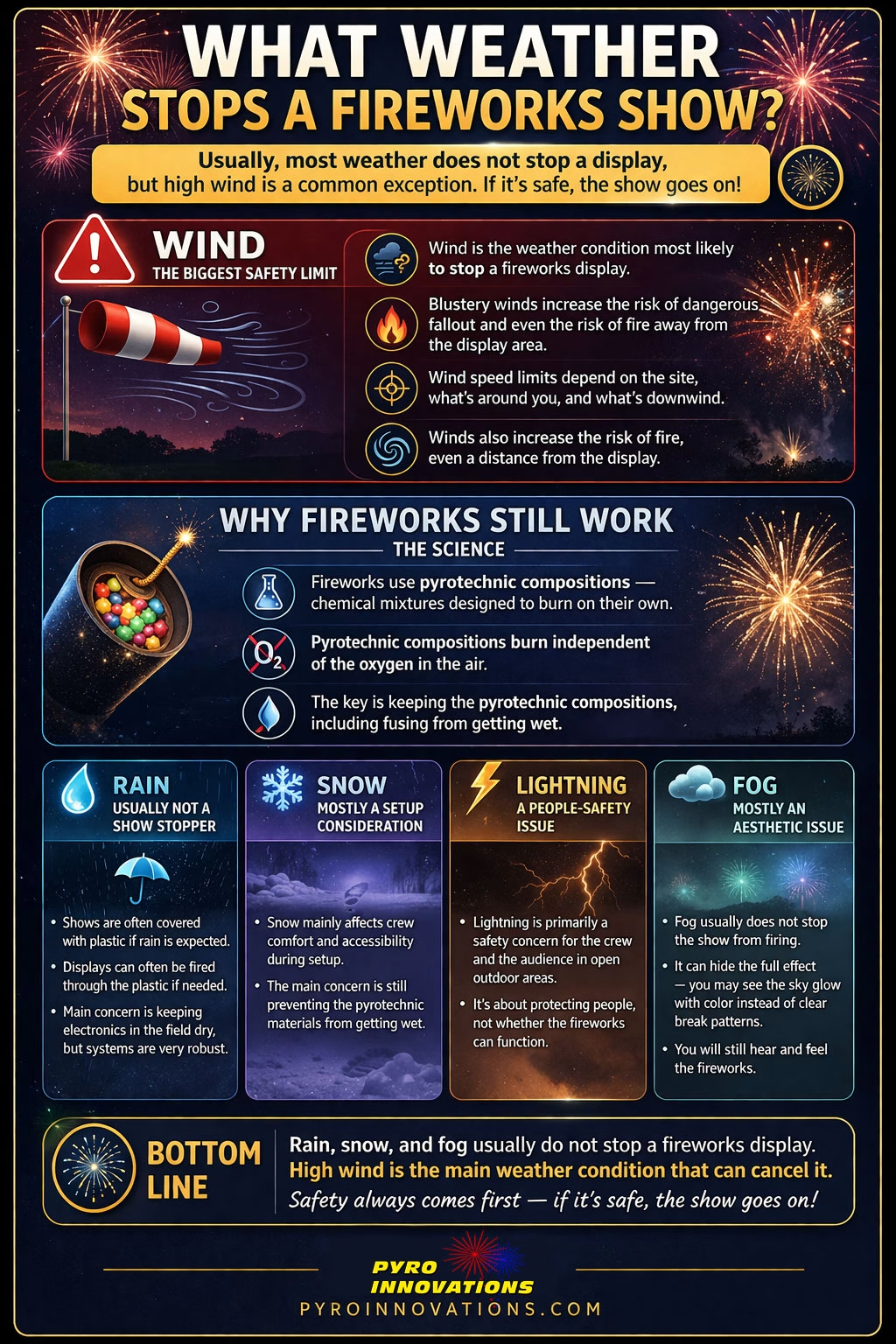
- Wind direction affects smoke drift and fallout movement.
- Low clouds, haze, and humidity can reduce visibility.
- Bad dispersion can make later parts of a show look weaker.
Professional displays often use electrical firing systems to coordinate cues and execute shows with precision.
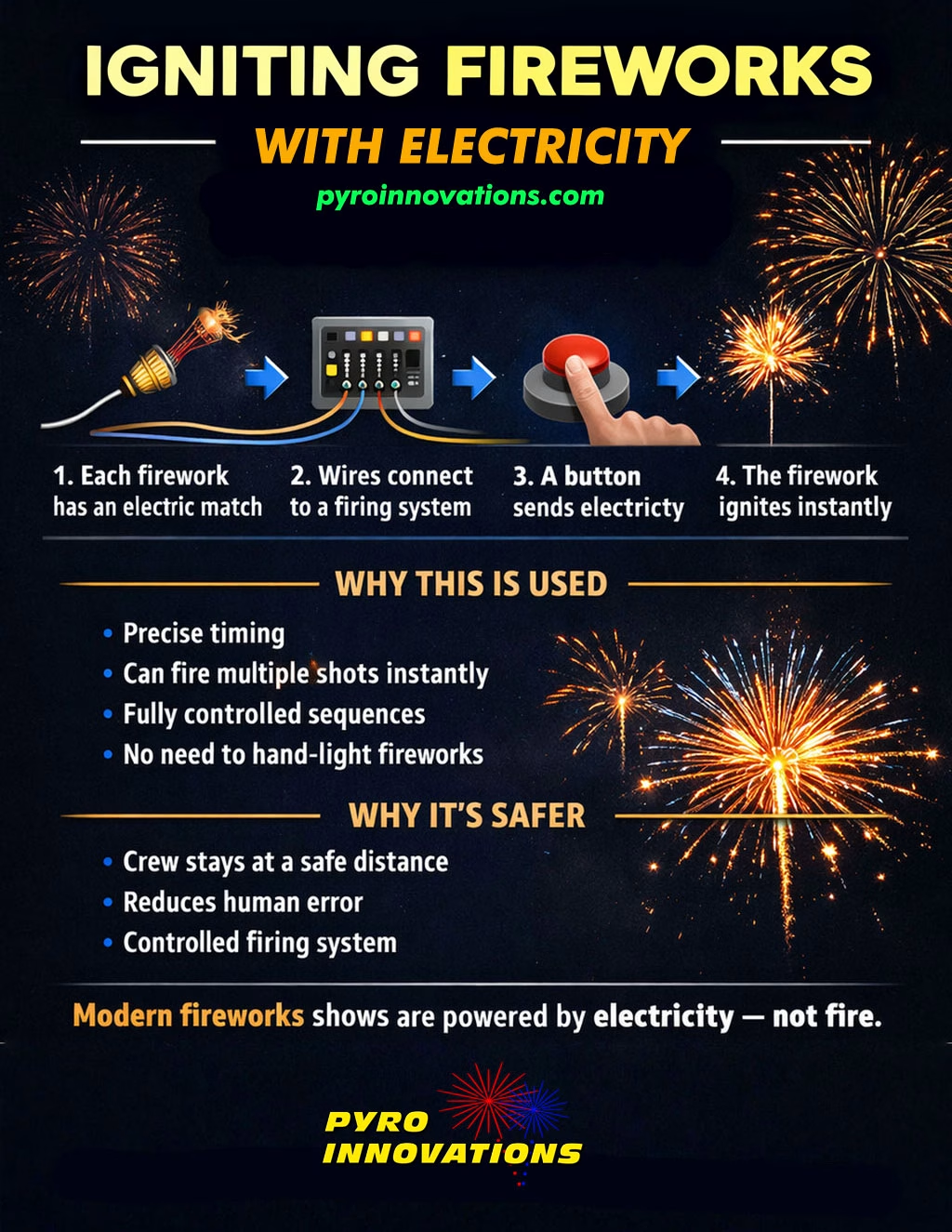
- Professional firing systems coordinate cues with precision.
- Electric matches convert electrical energy into ignition.
- Wiring layout and resistance matter in real-world firing behavior.
Professional displays require controlled separation between launch area, fallout area, crew operations, and the audience.

- Launch area, crew area, fallout area, and audience area each serve different roles.
- Larger shows generally require more space and coordination.
- This section is educational and conceptual, not a procedural site plan.
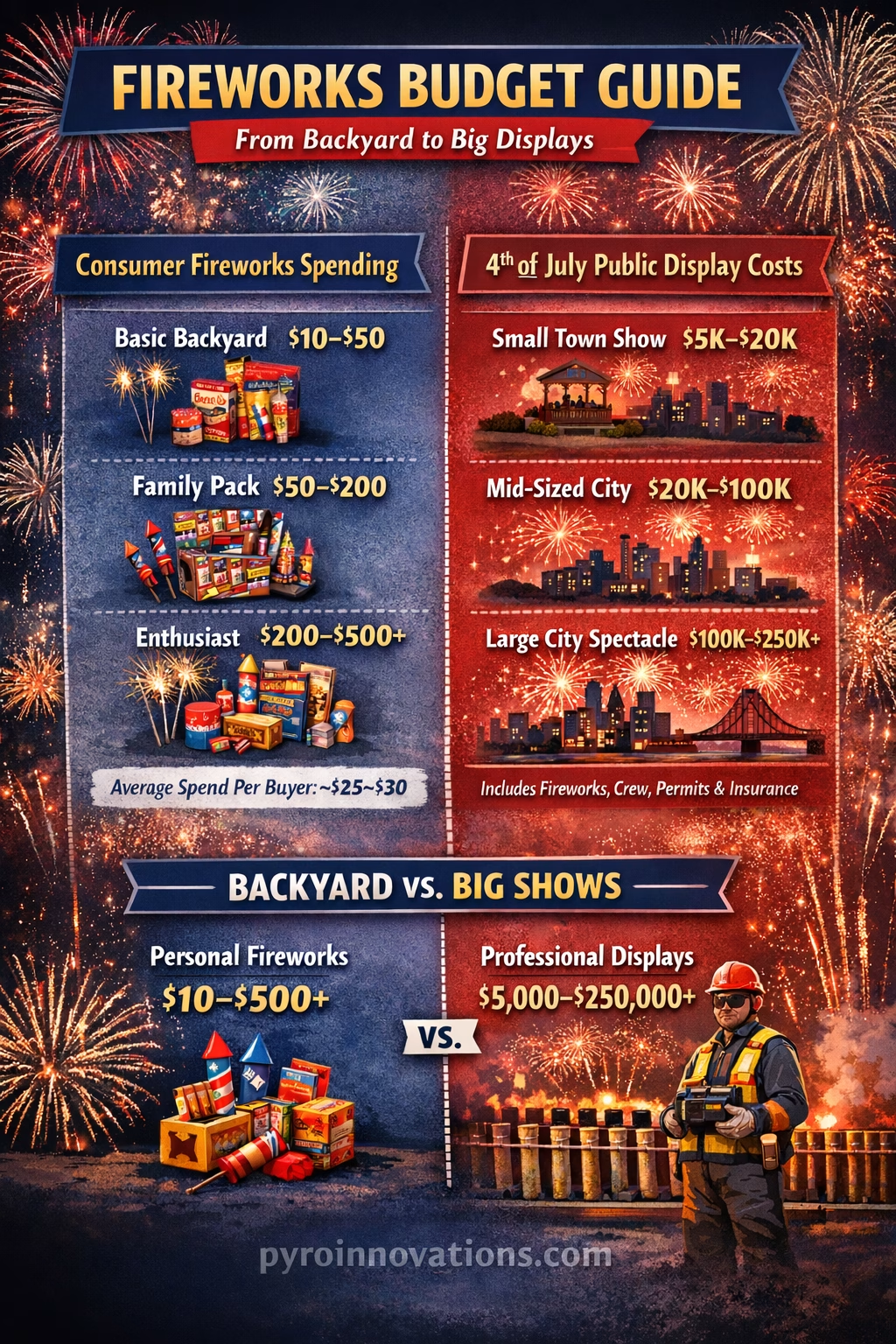
Public fireworks displays vary widely in scale. Budget affects shell size mix, density, pacing, complexity, and logistics.
Use these pages to go deeper into broader questions, timing tools, laws, local shows, and technical training.
Fireworks FAQs
Visit the broader Q&A hub for common fireworks questions across consumer and display topics.
What Time Do Fireworks Start?
Use the timing tool for a more practical estimate based on darkness and local conditions.
Fireworks Near Me
Find public displays and fireworks-related locations near you.
Fireworks Laws by State
Check fireworks law summaries by state.
Become a Pyrotechnician
Learn how to get started working on professional fireworks shows and join the crew.
Fireworks Setup Time Calculator
Explore how show scale, shell count, and operational factors affect setup time.